Discover the Secret to Keeping a Healthy Flock with Hubbard Birds
Hubbard Efficiency Plus birds are the gold standard for modern poultry farming. Learn the management secrets to keep them thriving and profitable.
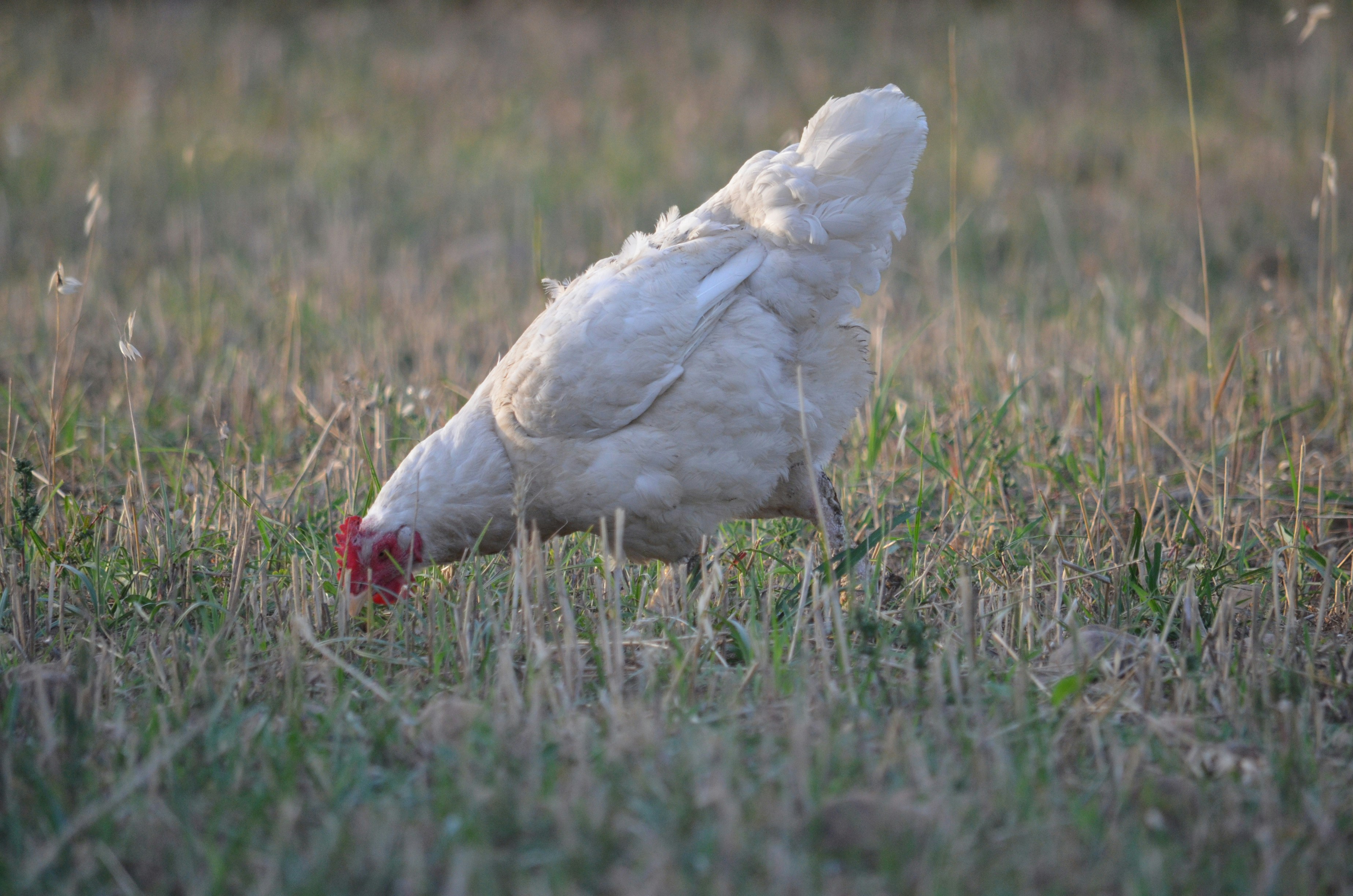
1. The Hubbard Genetic Advantage
The Secret: Hubbard birds are bred for 'Efficiency Plus'—meaning they convert feed into meat faster than almost any other breed. However, this high metabolism means they have zero tolerance for poor management. The Fix: Treat them like high-performance athletes. Every hour without feed or water is a lost day of growth.
2. Temperature Precision (The 32°C Rule)
The Secret: Hubbard chicks are sensitive to 'Cold Stress' in the first 48 hours. If the floor is cold, their internal organs won't develop correctly. The Fix: Use a thick layer of dry wood shavings (at least 4 inches). Ensure the brooder temperature is 32°C at the chick's level, not just at the roof.
3. Feed Physical Quality (Texture Matters)
The Secret: Hubbard birds prefer crumbles over fine mash. If the feed is too 'dusty,' they will eat less, leading to uneven flock growth. The Fix: Source high-quality 'Crumbeled Starter.' Good feed should look like small broken grains, not flour. This stimulates their natural pecking instinct.
4. Skeletal Support and Lighting
The Secret: Because Hubbard birds grow muscle so fast, their bones need time to catch up. Rapid weight gain on weak legs leads to lameness. The Fix: Introduce a 4-hour darkness period starting from Day 7. This slows down muscle growth just enough to let the legs strengthen and the heart rest.
5. Biosecurity: The Hubbard Shield
The Secret: High-performance birds have high oxygen requirements. Stale air leads to Ascites (water in the belly). The Fix: Keep curtains open at the top for cross-ventilation. Never sacrifice fresh air for warmth. If the air feels 'stuffy' to you, it is already toxic for a Hubbard bird.